Improving our trust in robots
The next generation of robots won’t just act – they’ll understand. Manchester’s Dr Mehdi Hellou is pioneering technology that helps robots read human intentions, paving the way for safer, smarter and more trustworthy machines in healthcare and beyond.
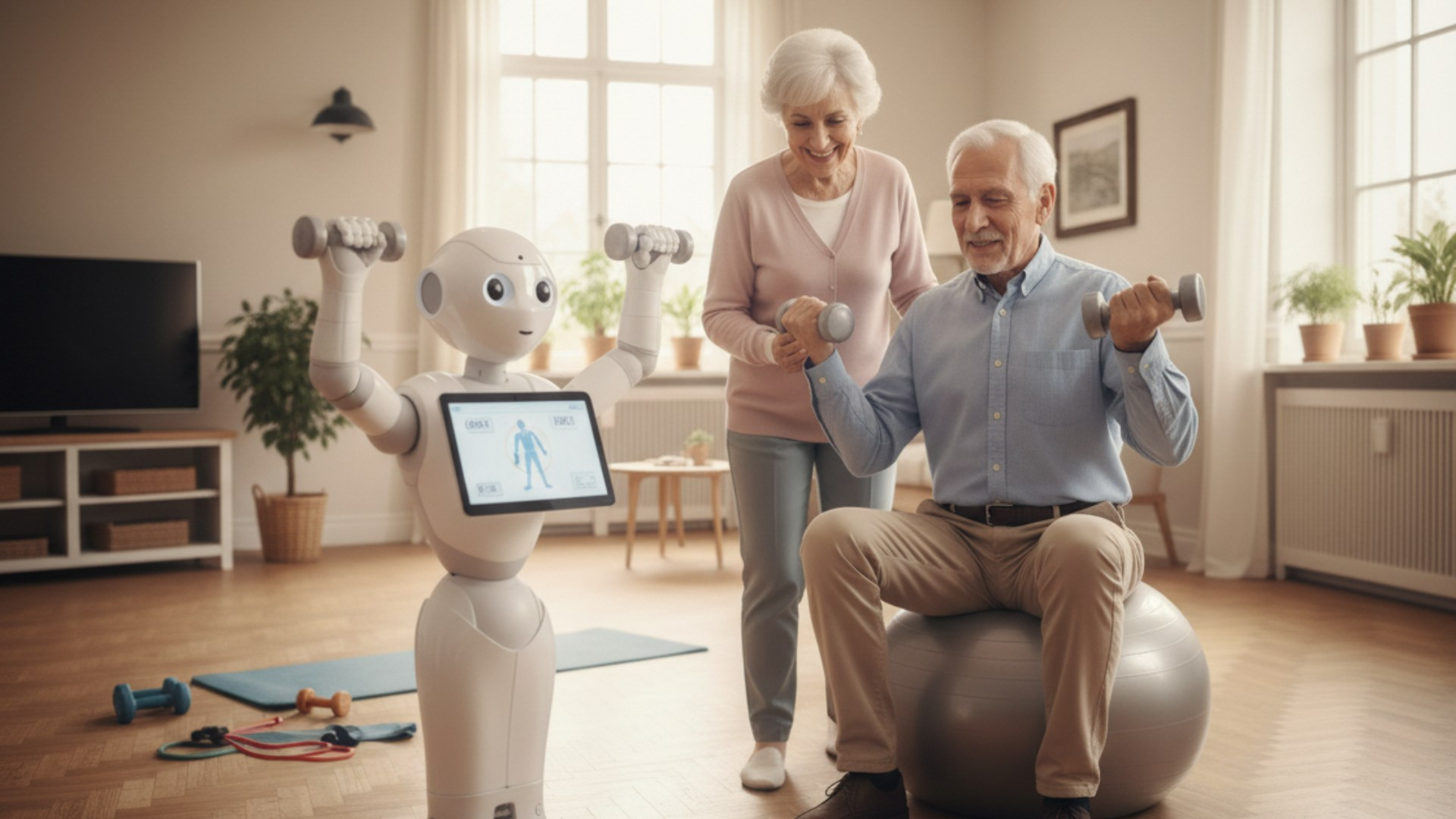
Robots are becoming part of our everyday lives, from healthcare to home assistance. But for humans to truly trust and collaborate with them, robots need more than technical skill – they need to understand us.
That’s the challenge at the heart of work being undertaken by Dr Mehdi Hellou as part of PRIMI, an EU-funded project exploring how robots can develop a ‘theory of mind’ – the ability to infer what people believe, prefer or intend. The aim is to develop autonomous technologies that might anticipate when someone needs help, adapt their behaviours over time, or respond to situations in a more socially intelligent way.
To achieve this, researchers are drawing on insights from psychology, neuroscience and artificial intelligence to create robots that combine motor intelligence (how they move), with cognitive intelligence (how they reason).
As project lead Dr Hellou explains: “It’s important to develop autonomous systems that can assist humans in their daily life, but also in critical scenarios such as healthcare or nuclear waste decommissioning. This requires machines capable of adapting their behaviours to different users and environments.�
The project’s vision will be tested in clinical pilot studies on stroke rehabilitation, where humanoid robots could support patients’ recovery.
If successful, PRIMI could help to usher in a new generation of socially aware robots that are not only more capable of learning in real time, but also more relatable and trustworthy.
Meet the researcher
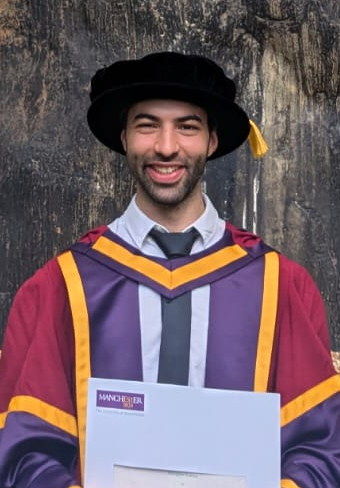
Dr Mehdi Hellou is a Research Associate in Artificial Intelligence and Robotics at Manchester’s Centre for Robotics and AI. He previously completed his PhD in Robotics and AI under an EU-funded project called PERSEO, which looked at enhancing the cognitive abilities of social robots by using ‘Theory of Mind’.